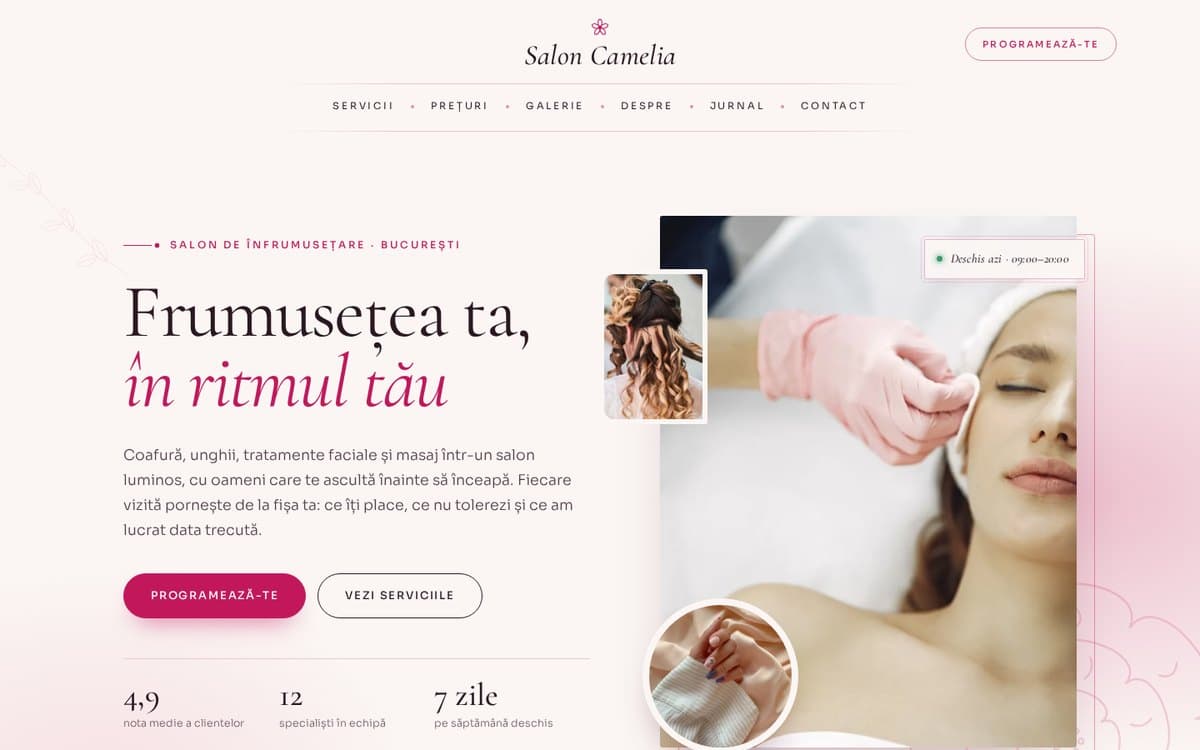
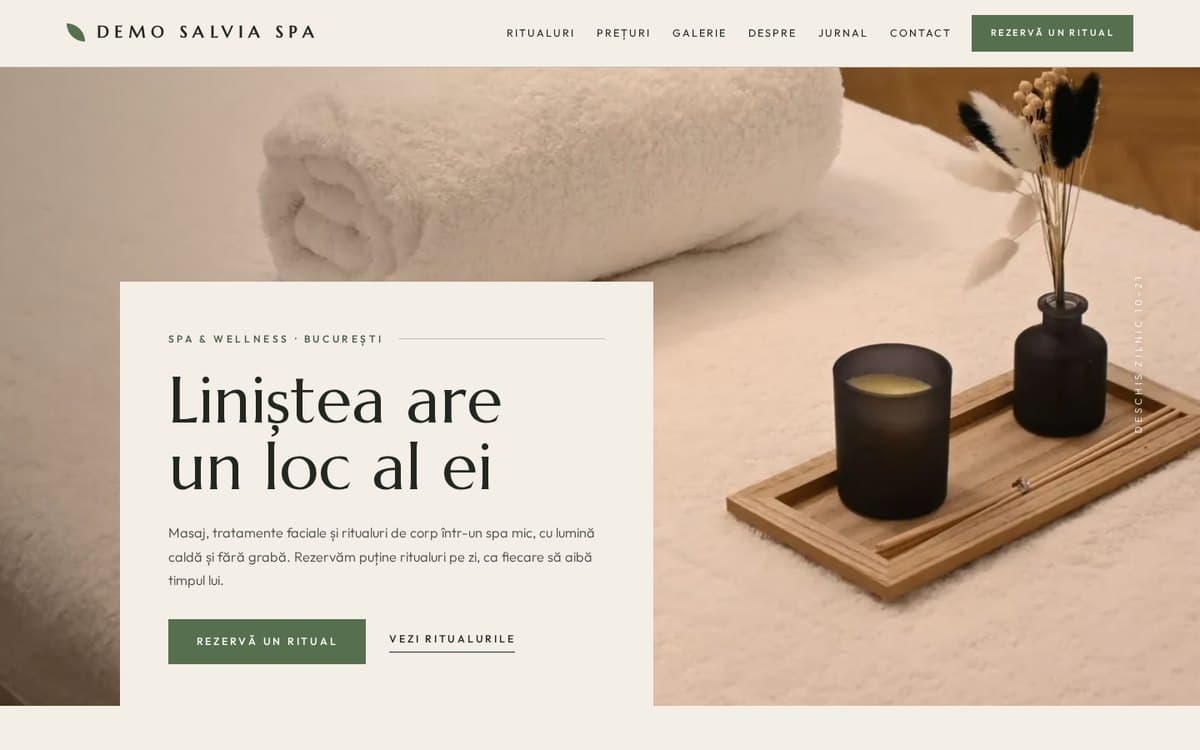
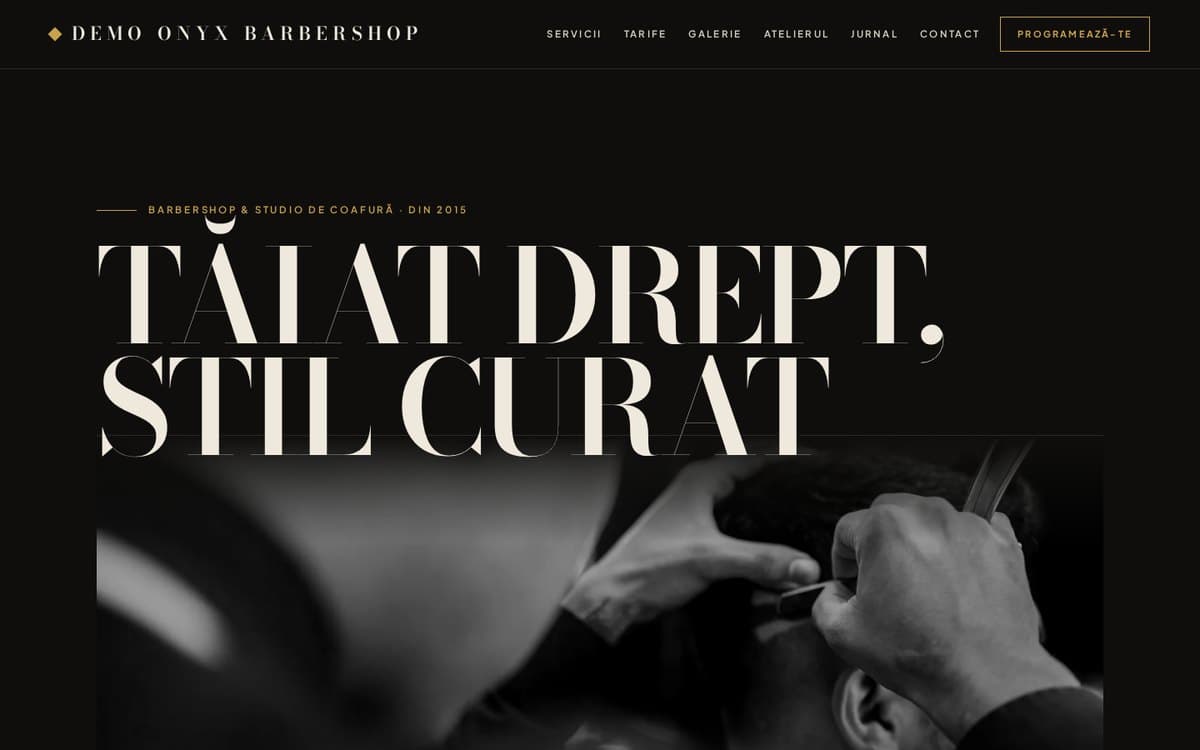
A braiding studio in Soweto, a colour bar in Sea Point, a barbershop in Umhlanga and a day spa outside Pretoria share more problems than you might expect. Every one of them juggles walk-ins and bookings, protects client information under POPIA, pays staff on some mix of salary and commission, and has to know at the end of the day how much came in. This guide walks through those questions for South Africa and says plainly which parts 4beautify takes off your hands.
- SA salon guide
An overview of what it takes to run a hair, beauty, nail, barber or spa business in South Africa and exactly where 4beautify helps.
- Licensing and rules
South Africa has no single national licence to practise as a hairdresser or beauty therapist that every salon worker must hold. What exists instead is a layer of trade qualifications, municipal licensing and health by-laws, and rules on the products you use. The details vary between municipalities, so the safest approach is to treat this page as a checklist and confirm each item with the people who will actually inspect you.
- POPIA and client data
Every salon in South Africa that keeps a client list is a responsible party under the Protection of Personal Information Act. That includes names and cell numbers, but also the more sensitive things a good salon writes down: a reaction to hair dye, a skin condition, a pregnancy that changes which treatments are safe. This page explains what POPIA expects in plain terms and how 4beautify helps you keep the paperwork straight.
- Client cards
A good client card is the memory of the salon. It tells a new stylist that this client's natural level is a 4, that she reacted to a lightener two years ago, and that she prefers the 8am slot before work in Sandton traffic. In South Africa, where many clients move between relaxers, braids, colour and natural styles over a year, that memory matters even more.
- Bookings and calendar
In a busy salon the real bottleneck is often not the stylist but the chair, the basin, the pedicure throne or the only room with a steamer. A calendar that books people but ignores equipment produces double bookings at exactly the times you can least afford them: Saturday mornings, month-end paydays and the weeks before matric dance and December holidays.
- No-shows and deposits
A no-show on a four-hour braid or a full set of acrylics costs a salon a big slice of its day. Most South African salons now ask for a deposit on long services, usually by EFT or instant payment, and publish a cancellation policy. The law sets some limits on that policy, and good reminders do more than penalties to keep the chairs full.
- Staff and commission
Pay structures in South African salons range from a basic wage plus commission, to pure commission, to independent stylists renting a chair. Each model has legal and practical consequences, and each needs accurate numbers at month-end. Arguments about commission are among the most common reasons good stylists leave, so clarity here pays for itself.
- Sales and stock
The till is where the salon's day turns into money. A client might pay part with a gift voucher from a Mother's Day promotion, part by card on your speed point and the rest in cash. Retail products, backbar colour and treatment packages all need to be tracked. This page explains how 4beautify records all of this and where its role ends.
- Types of salon
South Africa's beauty economy is wide. It runs from informal braiders and container barbershops in townships, through franchise salons in regional malls, to independent studios in Melville, Woodstock or Florida Road and destination spas in the Winelands. Each type of business uses software differently, and it helps to know which features matter for yours.
- Software costs
Software is a small line in a salon budget next to rent, stock and wages, but the wrong choice costs far more than its subscription. A system that double-books chairs, loses client formulas or makes month-end commission a fight is expensive no matter how cheap it looked. This page helps you think about the whole cost before you choose.
- Questions
These are the questions we hear most from salon owners and managers in South Africa, answered briefly and honestly. If something you need is not covered, the other pages in this guide go into more depth on regulation, client data, bookings, staff and sales.